

Craft, Gaudí and Barcelona
The ghost of the cheap souvenir
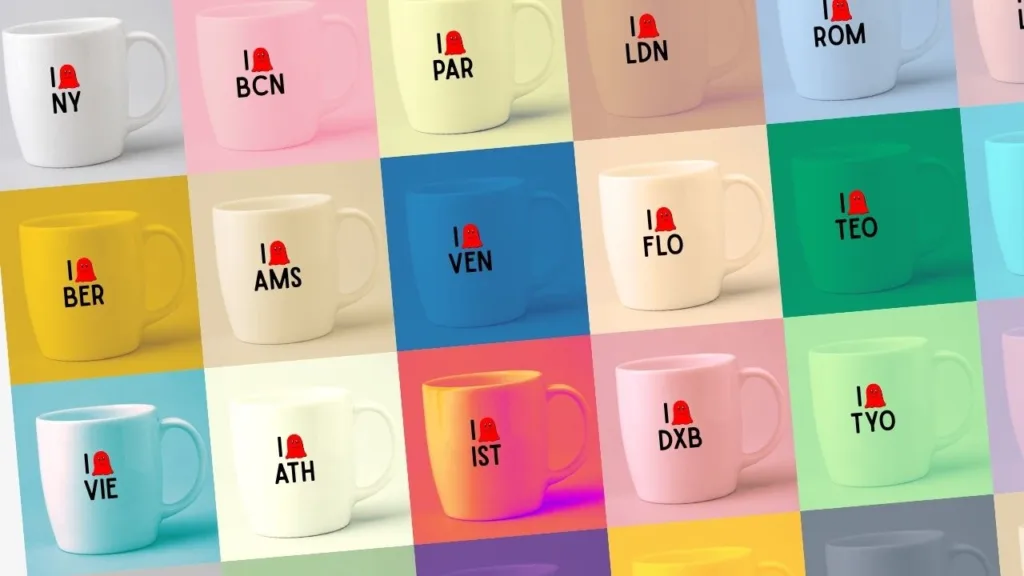
The ghost of the cheap souvenir
Spain welcomes more visitors and generates more tourism spending than ever. Yet too many souvenirs could be moved from one city to another simply by changing the printed name. When origin, material and craft disappear, part of the journey disappears with them.

An object that could come from anywhere
Barcelona, Paris, Rome or Lisbon. The name changes, but the mug, magnet and keyring are exactly the same. The destination is written on the object; rarely is it truly represented in it.
So many visitors. What memories do we leave?
Spain welcomed 93.8 million international tourists in 2024. Tourist spending reached €126.282 billion and tourism-related activity generated €200.699 billion, or 12.6% of GDP.
The trend continued in 2025. From January to August, 66.8 million visitors arrived, spending €92.460 billion. In August alone, the average visitor spent €1,457.
These figures show the economic power of tourism. They also raise an awkward question: how much of that spending genuinely supports local heritage, design and traditional crafts?
In too many shops, Barcelona, Madrid, Seville and everywhere else are reduced to the same mass-produced object with a different place name printed on it. The city changes. The souvenir does not.
The problem is not the existence of an affordable keepsake. The problem starts when low prices erase where it came from, what it is made of and who made it. Visitors leave with an object, but not with the culture it supposedly represents.
A destination that welcomes millions should also be able to offer souvenirs with identity, origin and craftsmanship.


The 2024 figures cover the full year. Those for 2025 cover only January to August, so they should not be treated as directly comparable annual totals.
Price is not the real problem
A souvenir can be simple, small and affordable. The problem arises when its low price depends on removing everything that connects it to the place: the maker, the origin, the material and the story.
Iconic, imperfect craftsmanship
Petit Gaudí’s answer fits into three ideas: craftsmanship, because real hands and skills matter; iconic, because a souvenir should genuinely belong to its place; and imperfect, because materials and human work leave traces that industrial copies cannot reproduce.

CRAFTSMANSHIP, because hands matter
Craftsmanship brings a name and responsibility back to the object: honest materials, clear processes and makers who can explain their work.

ICONIC, because place matters
An iconic souvenir does not need to rely on a printed city name. Its shape, material and visual language already tell you where it belongs.

IMPERFECT, because life leaves marks
A slight variation, a texture or a mark left by the process does not diminish its value. It proves that the piece has passed through real hands over real time.
The souvenir a city deserves
A city that welcomes millions of travellers can choose what part of itself goes home with them. Souvenirs need not be expensive reproductions or solemn objects. They should be honest, recognisable and well made.
The ghost appears when every souvenir looks the same. It disappears when an object retains craft, identity and a small human imperfection.
At Petit Gaudí we work by those principles: iconic, imperfect craftsmanship made in Barcelona alongside real artisans and workshops. Meet the artisans.
