
Craft, Gaudí and Barcelona
The hydraulic tile revival | Mosaics Martí
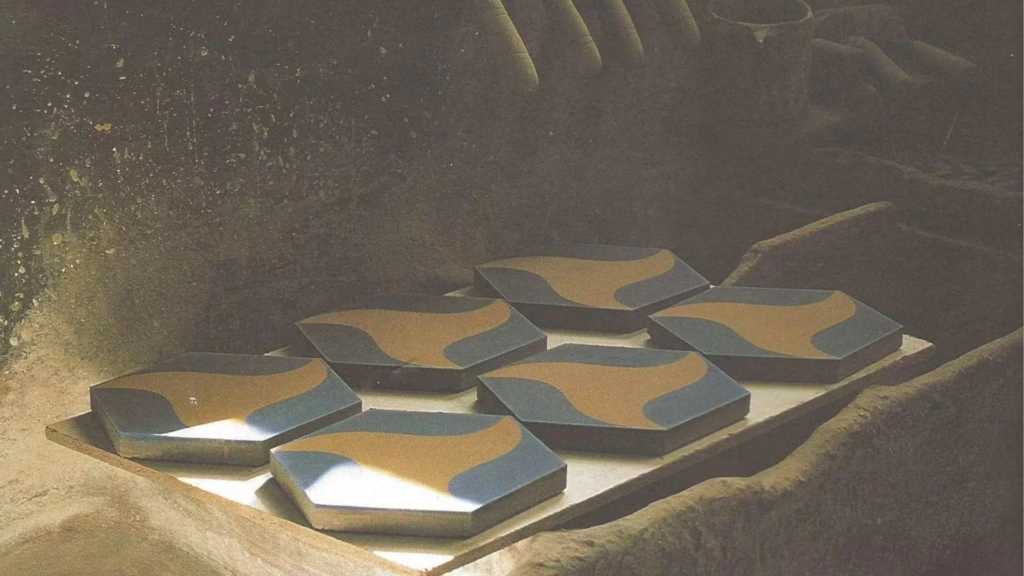
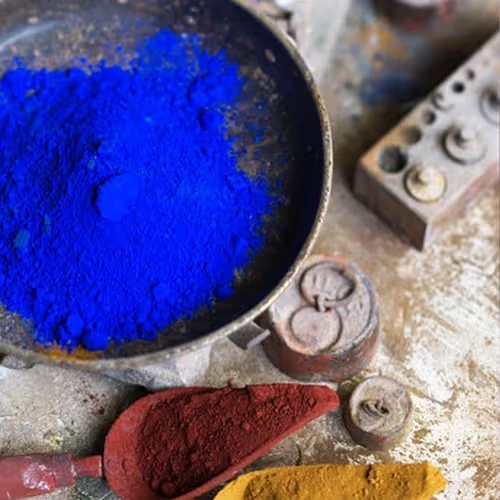
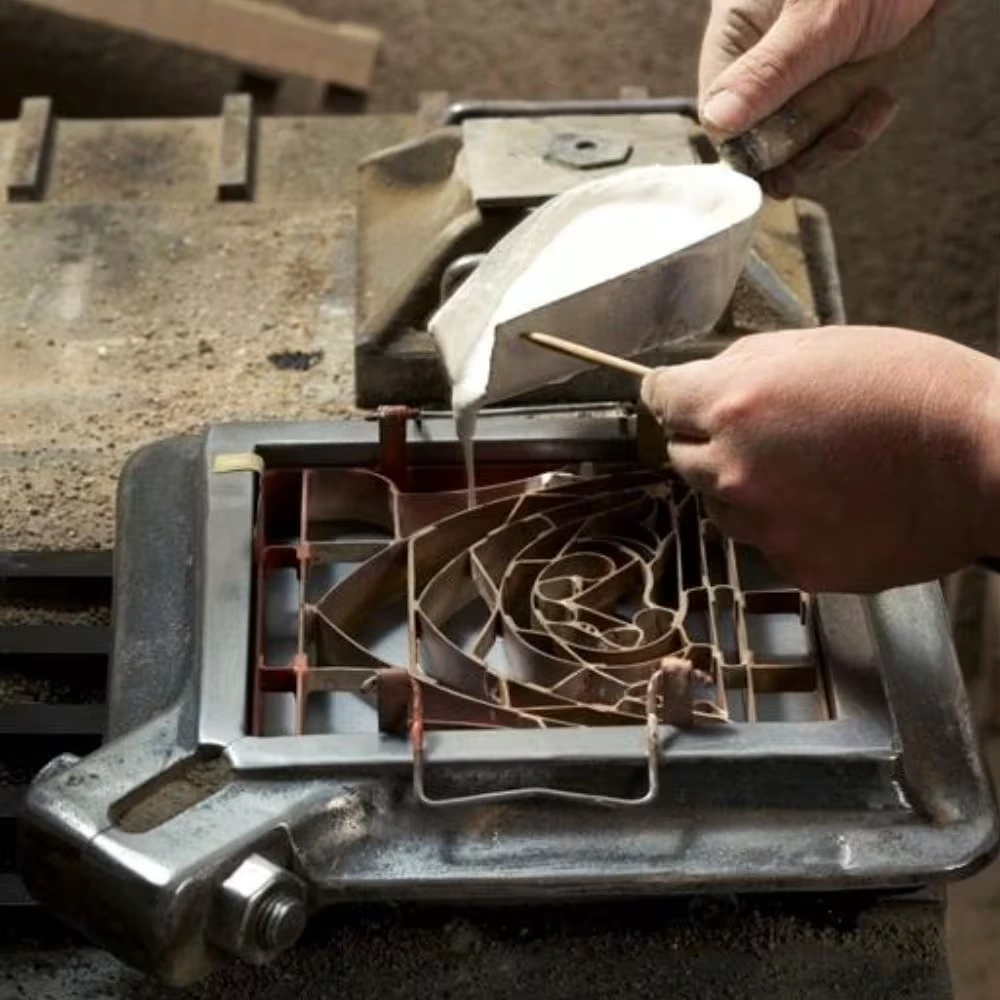
In Manresa, Mosaics Martí works with cement, pigments, metal dividers and presses. Bernat Martí Arlandís founded the workshop in 1913. A hydraulic tile is not simply printed with a pattern: each colour is placed in a mould and the tile sets without kiln firing.
How a hydraulic tile is made
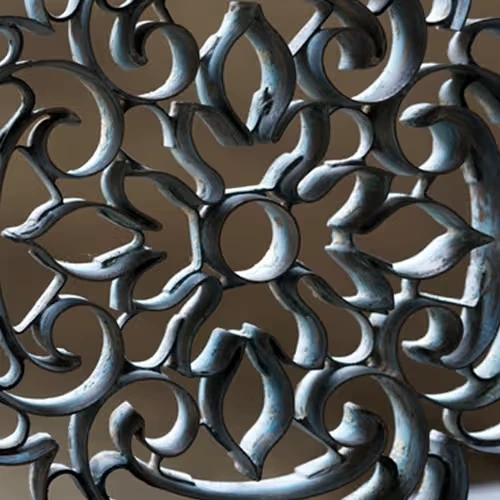
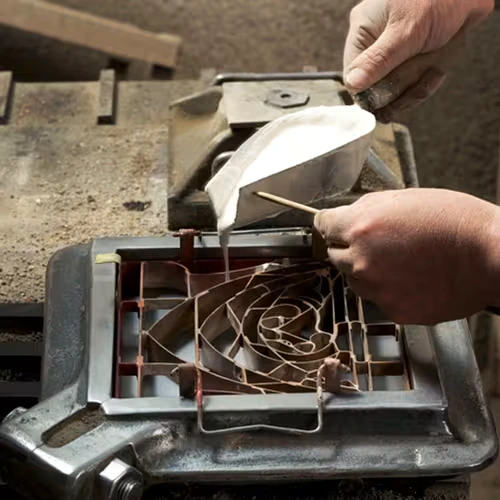
The metal divider separates the colours as the craftsperson fills the design. Layers of material, pressing and curing follow. Machinery alone is not enough: preparing, demoulding and checking each piece require practiced hands.
The same technique can restore historic designs and make contemporary pieces. Small variations in texture come from the process, but each tile must still meet agreed dimensions and standards.
A workshop keeping the craft alive
The Martí family revived hydraulic tile production when many factories had abandoned the technique. In 2021, the workshop received Catalonia’s National Craft Award.
Artesania Catalunya documents its role in restoring flooring at Palau Güell, La Pedrera and Casa Amatller. This heritage survives through people, tools and materials, not simply archive photographs.
From Modernist flooring to a 10 cm object
Petit Gaudí offers small hydraulic mosaic pieces inspired by Barcelona. The 10 cm version retains the material character of the tile and can be paired with a wooden stand.
For a professional commission, the starting point is what the piece represents, where it will be used, the quantity required and how it will be presented. We can assess a proposal once those details are clear.
A hydraulic tile does not need to look old to carry a history. It needs someone who still knows how to make it.
Sources: Mosaics Martí and Artesania Catalunya. National Craft Award 2021. Mosaics Martí · Artesania Catalunya